
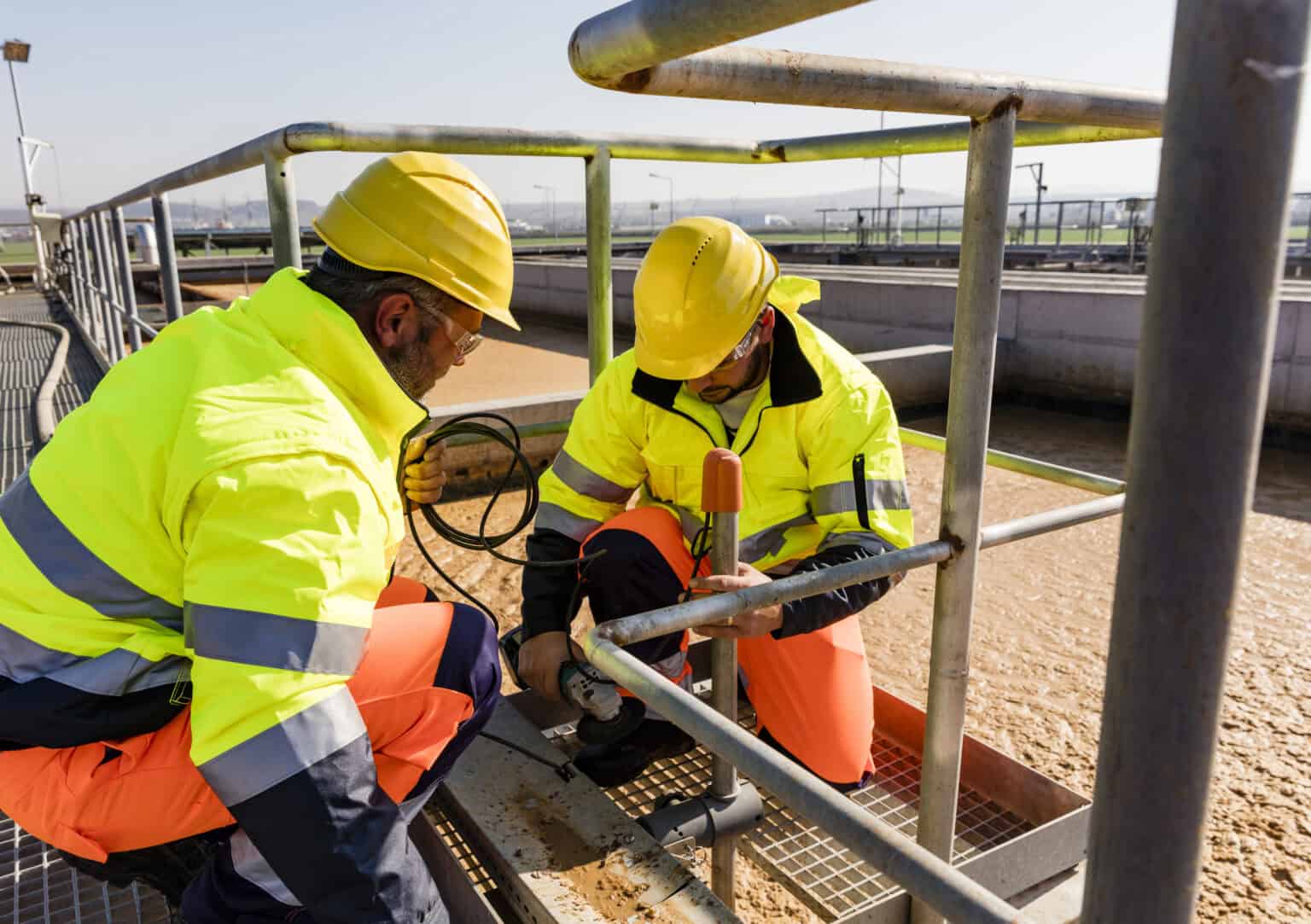
At HR Green, learning is not limited to formal training programs or milestone moments in a person’s career. It happens every day through project experience, collaboration, mentoring, and the exchange of knowledge between colleagues. That ongoing, shared approach to development is an important part of our culture and one of the ways we help employees continue to grow.
How the 70:20:10 Model Shapes Development at HR Green
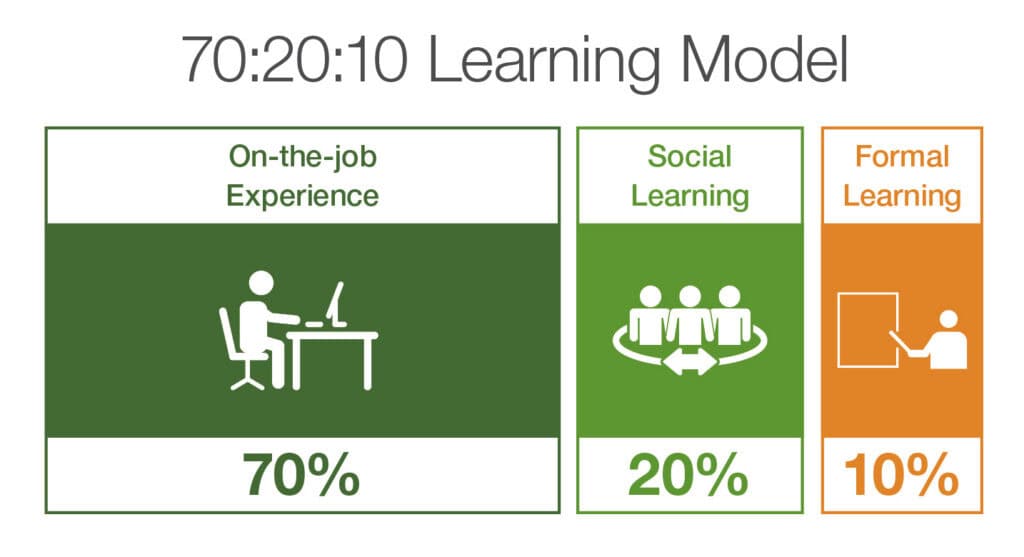
Our approach reflects the 70:20:10 learning model, a widely recognized framework suggesting that 70% of learning happens through experience, 20% through interactions with others, and 10% through formal learning. While structured development remains important, some of the most valuable growth occurs when individuals apply knowledge in real situations and learn alongside the people they work with every day.
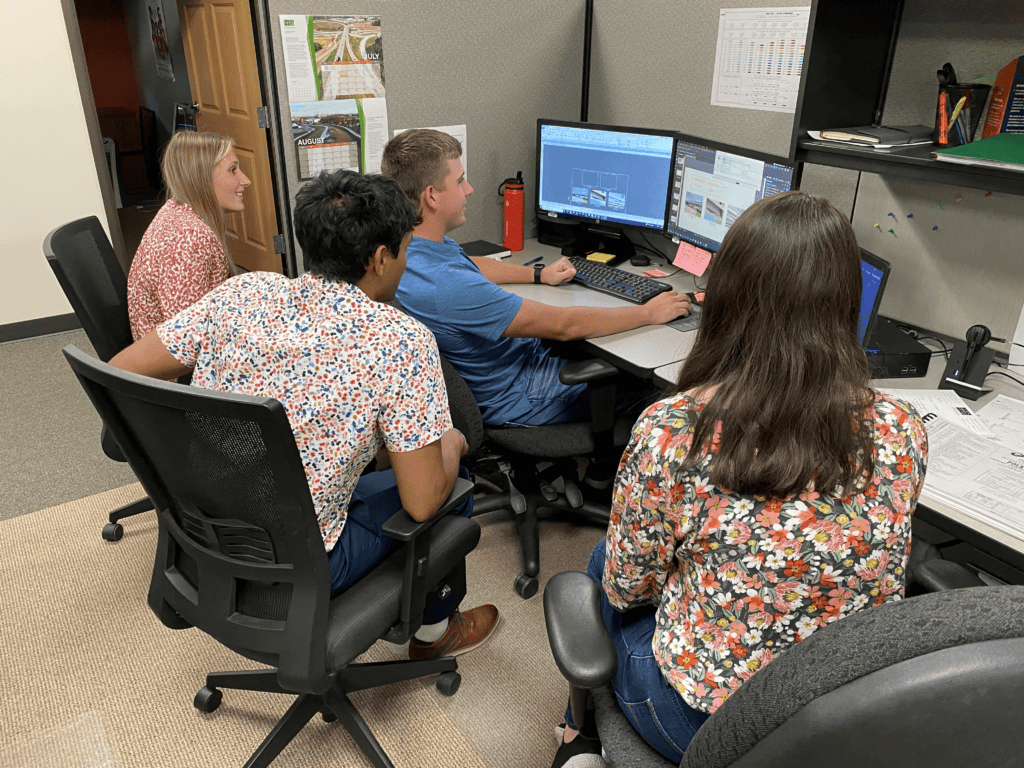
Peer learning is a collaborative approach in which employees build knowledge through shared experience, observation, questions, coaching, and problem-solving. Unlike traditional top-down instruction, peer learning often happens informally in the flow of work. It may involve a teammate demonstrating a shortcut, a colleague explaining how they approached a challenge, or a group working together to solve a project issue. These everyday interactions help translate knowledge into practice while strengthening confidence and connection across teams.
Everyday Knowledge-Sharing Across Teams
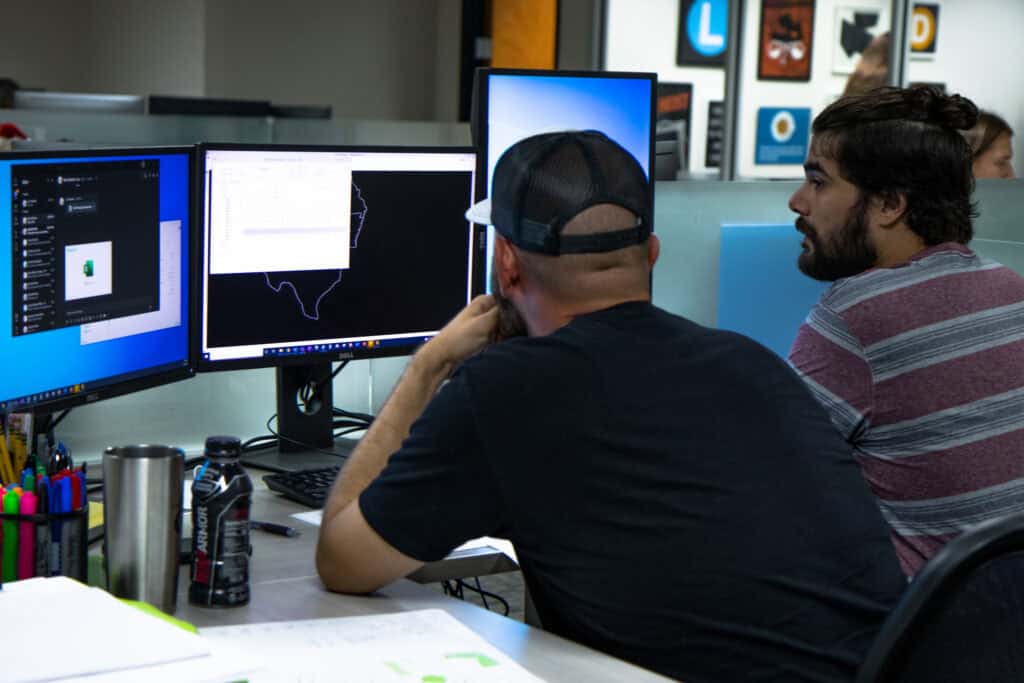
At HR Green, peer learning takes many forms. Employees with deep CAD knowledge have regularly stepped in to help others strengthen their skills, whether through a more formal lunch session or a quick one-on-one demonstration when someone needs help with a task or workflow. In another example, a team member shared practical guidance with the administrative group on how to use ChatGPT prompts more effectively in their day-to-day work. These moments reflect a culture where knowledge is shared openly.
Andrew Miller, HR Green Design Technician shares, “We all get better when we learn from one another. If I can show someone a new trick in CAD today, chances are they’ll teach me something new tomorrow.”
This exchange of ideas is also a natural part of how many project teams operate. Staff engineers and other professionals often work together to solve problems, compare approaches, and help one another improve without every learning moment being routed through a direct supervisor. That creates an environment where people are encouraged to ask questions, stay curious, and continue developing through collaboration. For early career employees in particular, that openness can be an important part of building both technical capability and confidence.

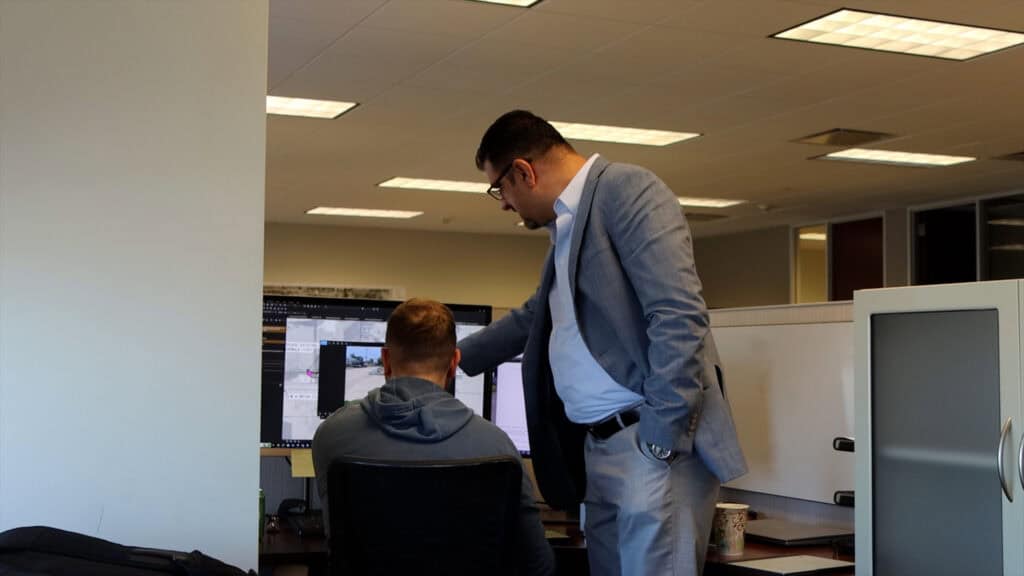
“Every project proves the same thing: when seasoned staff and emerging talent collaborate, we find better, faster, smarter ways to get the job done,” said Kevin Berry, HR Green Area Manager for Illinois Construction.”
In the Construction group, peer learning is reinforced through intentional team structure. One manager often pairs resident engineers with early career engineers or technicians in mentorship-style roles. While the resident engineer frequently provides much of the direct guidance, the learning relationship is not one-directional. Emerging talent often brings strong knowledge of software, digital tools, and technology that can help experienced staff improve efficiency. This kind of two-way learning strengthens both the individual and the broader team.
Peer Learning in Internships
That same philosophy extends to HR Green’s internship experience. On larger transportation projects, interns may be paired together and given assignments similar to those of full-time staff so they can gain practical, meaningful experience throughout the summer. They receive guidance from resident engineers and other team members, while also learning from one another as they work through assignments and gain familiarity with the field. Interns are often encouraged to visit multiple projects as well, helping them better understand the many roles involved in project delivery. Peer learning is further supported by the shared experience interns have as part of a cohort. Starting at a similar time creates natural opportunities for connection, collaboration, and mutual support.
Our Young Professionals group also supports this culture by bringing people together through a mix of social and educational events, giving early career employees opportunities to connect, learn, and build relationships across the company.

Why Peer Learning Matters
The benefits of peer learning are significant. It accelerates onboarding, encourages knowledge-sharing, and helps build stronger relationships across the organization. It also reinforces a culture in which employees feel comfortable asking questions, offering support, and contributing ideas regardless of role or experience level. When learning is part of everyday work, it becomes more practical, more immediate, and more lasting.
At HR Green, we believe development happens best when experience, collaboration, and curiosity come together. By creating an environment where employees learn from one another in meaningful ways, we continue to strengthen our people, our teams, and the work we do for clients and communities.
“Throughout my career, I’ve benefited from every part of the 70/20/10 model. I deeply value technical training, and I’ve grown tremendously because of generous peers and managers who invested their time in mentoring me and giving honest feedback. But when I look back, the learning that shaped me most came from doing the work itself. I learned by stepping into new situations, making mistakes, being stretched, and getting my hands, and my mind, directly into the challenges in front of me. That ‘70’ is where learning truly comes alive,” shares Louise Carmichael, Chief HR Officer at HR Green. “It’s why I believe so strongly in this model: it helps people reach their fullest potential and creates a culture of continuous learning that benefits individuals, teams, and the organization as a whole.”
If you are looking for a place where you can keep learning, share what you know, and grow alongside people who want to see you succeed, we would love to connect with you. Contact us today to learn how to join our team.