
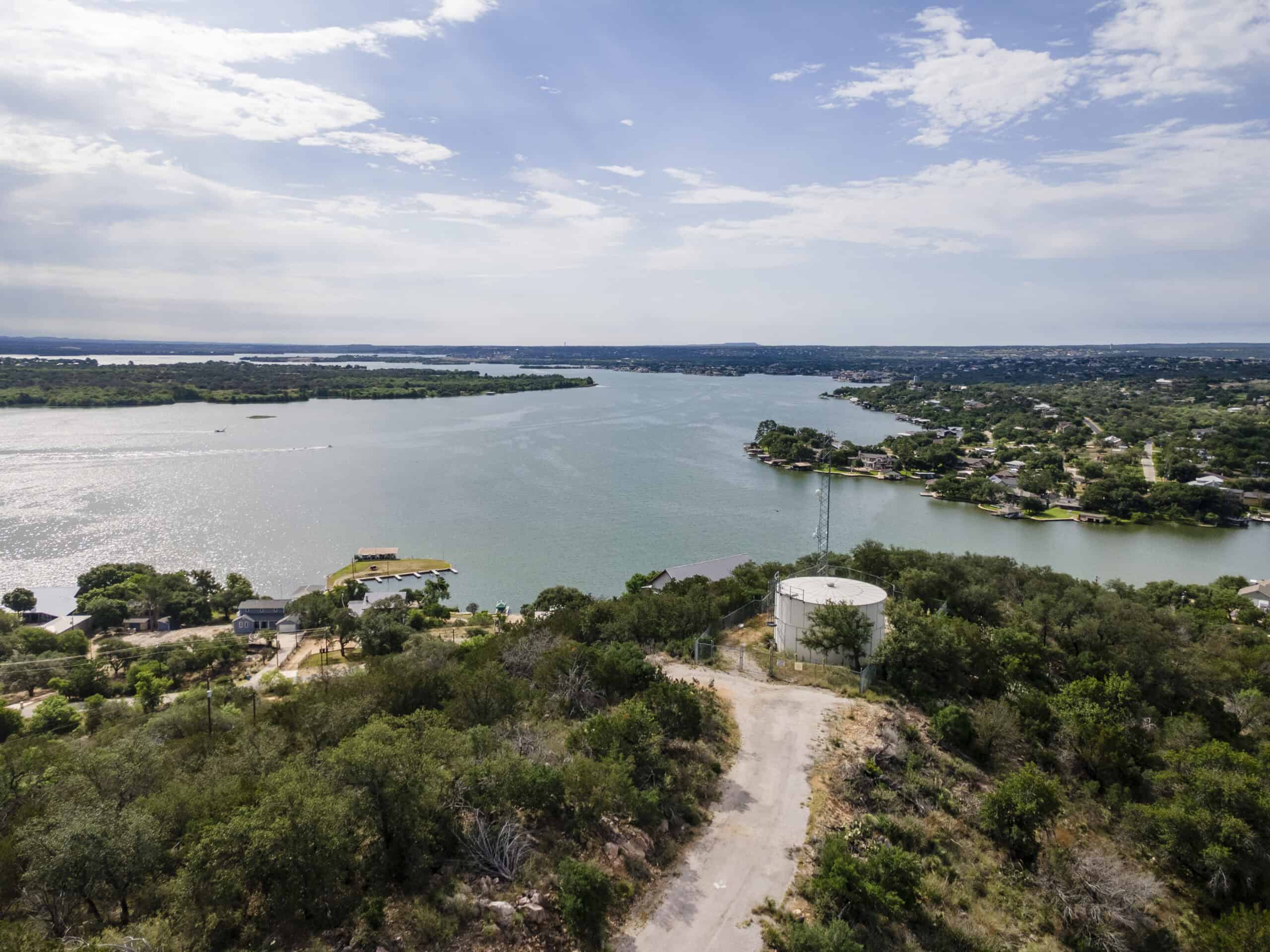

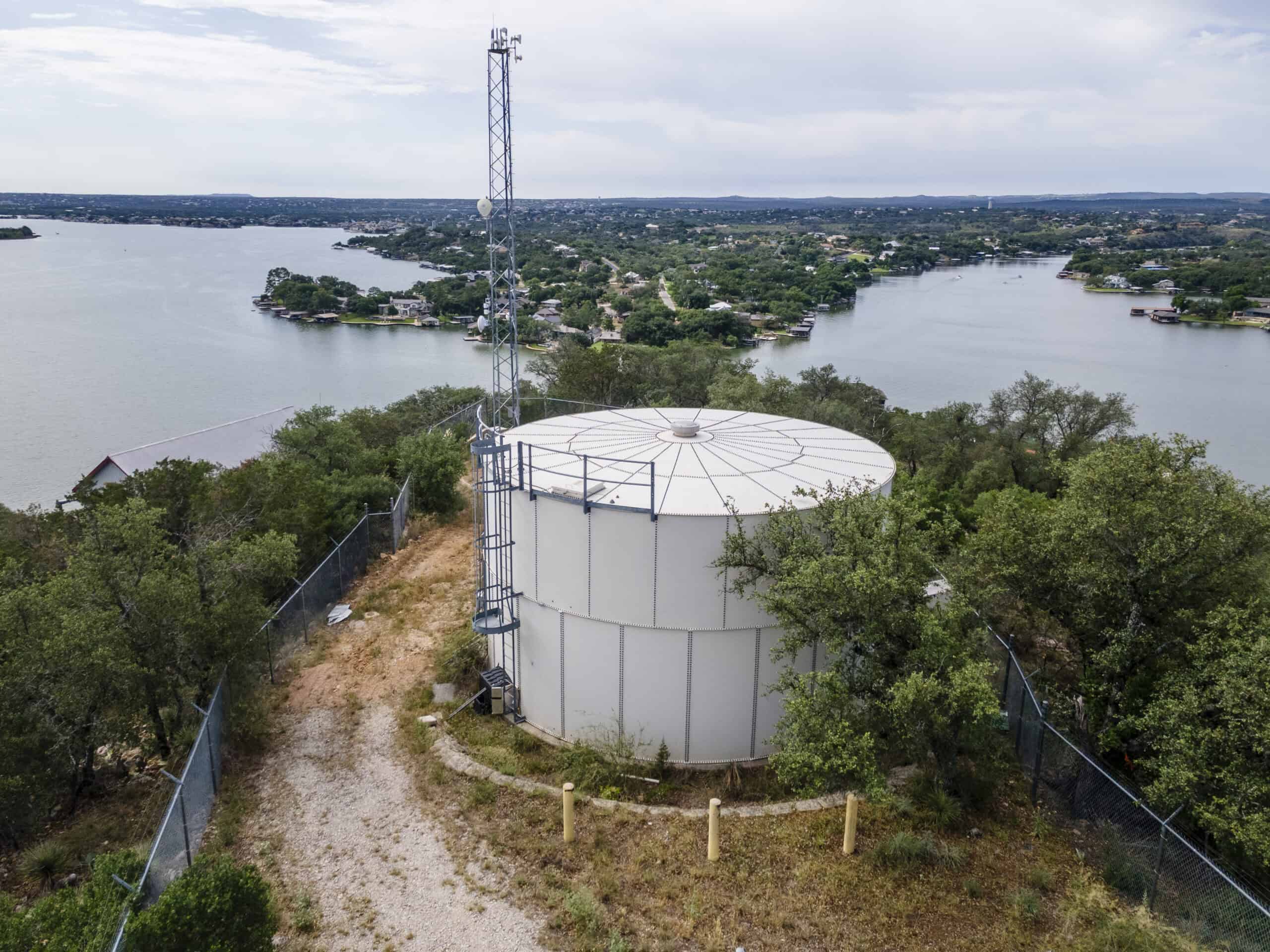

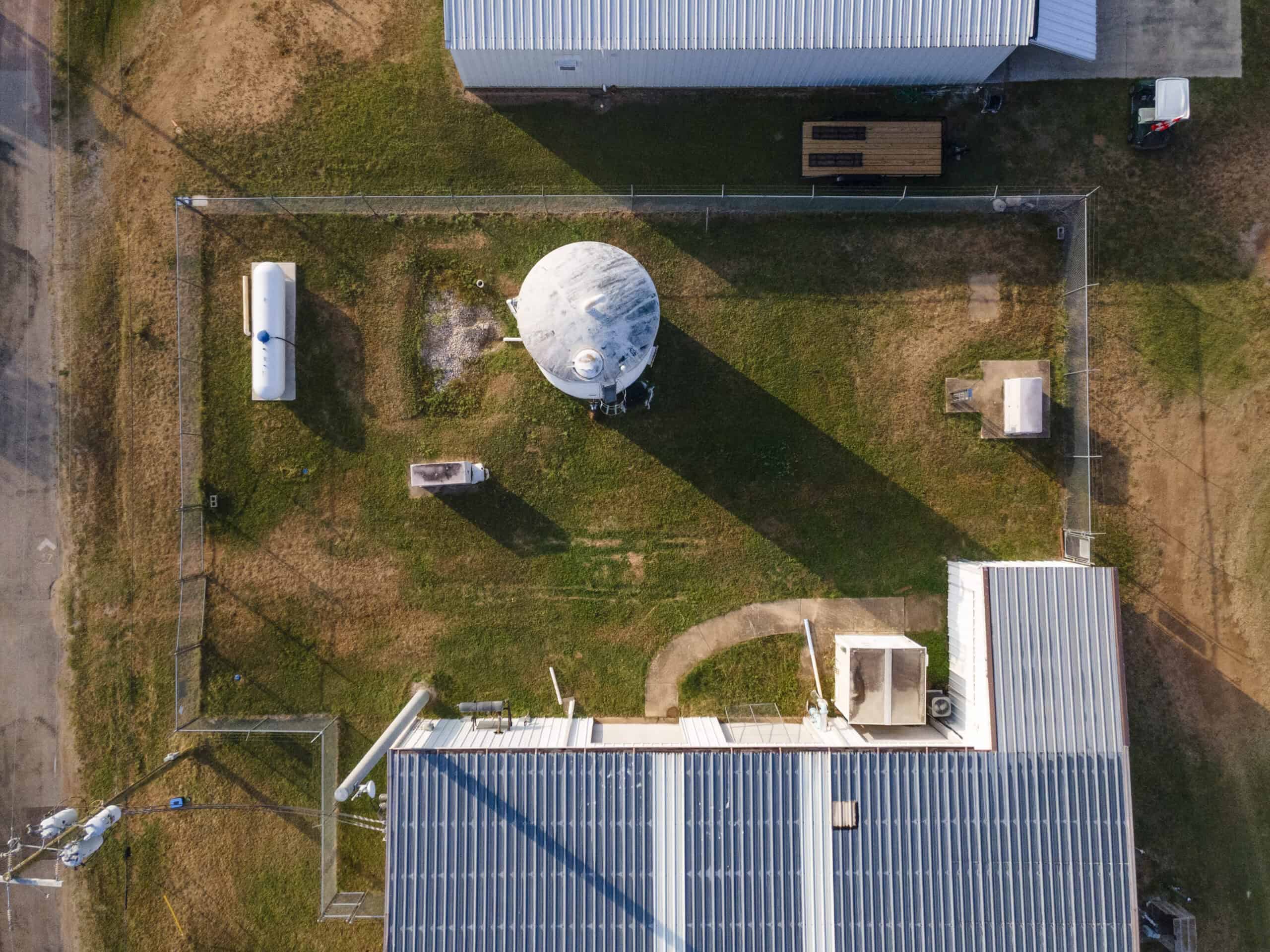


Sunrise Beach Village, a small Central Texas lakefront community, turned limited resources into opportunity by leveraging American Rescue Plan Act (ARPA) funds for its first water distribution system map, hydraulic model, and multi-phased improvements conceptual design. Through multi-agency coordination, public outreach, and real-time pressure monitoring, the City is addressing critical upgrades while applying funding lessons to strengthen future system reliability.
Challenge
Sunrise Beach Village, a community of approximately 1,030 water connections, is known for its attractive lakefront properties and is projecting 15% growth over the next decade. With limited resources and unique infrastructure challenges, the City proactively sought professional services to assess its water distribution system, plan improvements, and identify funding opportunities to support future demand.
As the HR Green team began initial discussions with the City and reviewed data during Phase 1—System Mapping and Planning—it became clear to all stakeholders that the first step was to fully understand the existing system and how it currently operates. The City acquired the water distribution system that serves its residents from a river authority in 2011, and with local operations support, began learning its water system and gaining an understanding of its performance capabilities.
Sunrise Beach Village is a retirement community with engaged residents, many of whom had firsthand experience with both high and low pressures across the system. Communicating the technical priorities of a multi-phased plan was key to building trust. Phase 2 – Conceptual and Final Design, supports technical documentation for long-term planning, regulatory compliance, and funding applications, while coordinating with multiple state and federal agencies while maintaining transparency and open communication with the community.
Solution
Through ARPA funding, the City partnered with HR Green to complete a multi-phased system improvement plan. In Phase 1, HR Green facilitated an evolution for the City by applying hard copy maps and construction plans, validated by field data and GPS coordinates, to create its first electronic map of the water system. To further understand system operations, in Phase 2, the City invested in field pressure monitoring, strategically installed at locations throughout the system. Real-time pressure monitoring data was paired with existing system monitoring records to build and calibrate the City’s first extended period simulation (EPS) hydraulic model. Through applying real-time system data and analysis, improvements were prioritized based upon criticality to system performance and regulatory criteria, further developing a multi-year capital improvement plan.
Building upon that foundation, ARPA dollars also funded the design phase, focusing on storage capacity and pipeline upgrades identified on the multi-phase improvements plan. The project team coordinated with the Federal Aviation Administration (FAA) to address the proximity of proposed storage tanks to a small airport runway, obtaining study-phase approval at an early stage. Similar coordination was required with the Lower Colorado River Authority (LCRA) for crossings of regulated water bodies, and with TxDOT for the proposed transmission main on TxDOT’s Ranch Road 2233 right-of-way. Unique for a small community, the project also requires resolving conflicts with local septic systems where private service lines cross City rights‑of‑way.
While ARPA dollars supported the planning and design, the City also applied for the Texas Water Development Board (TWDB) Drinking Water State Revolving Funds (DWSRF) for construction funding. Despite submitting a strong technical case, the community was not selected for grant funding due to not meeting the income thresholds as well as not having a documented track record of system deficiencies. This experience highlighted the importance of tracking and documenting daily system operations and performance to support service level goals and regulatory requirements.
The project is currently in the final design phase for storage improvements at the water treatment plant and the transmission system, with the construction phase to begin pending the Texas Commission on Environmental Quality (TCEQ) authorization of proposed improvements. Subsequent phases of system improvements are planned over a five-year period based upon funding availability and identified system needs. Post‑system monitoring and analysis will be performed following each improvement phase to evaluate system performance and operational impacts.
Benefit
Through this multi-phased system improvement program, Sunrise Beach Village now has its first electronic water system map, a calibrated EPS hydraulic model, and a multi-year improvement plan that supports short- and long-term planning and regulatory compliance. The technical foundation developed through ARPA funding allows the City to better understand system performance and prioritize improvements.
Lessons learned from funding applications, supported by field monitoring and documented system performance, have strengthened how the City tracks compliance, positioning Sunrise Beach Village to pursue future funding. This project showcases how small systems can proactively and fiscally operate, maintain, and manage their water distribution systems. By developing electronic mapping and hydraulic models, communities like Sunrise Beach Village can plan improvements that deliver a more reliable and sustainable system over the long term.