
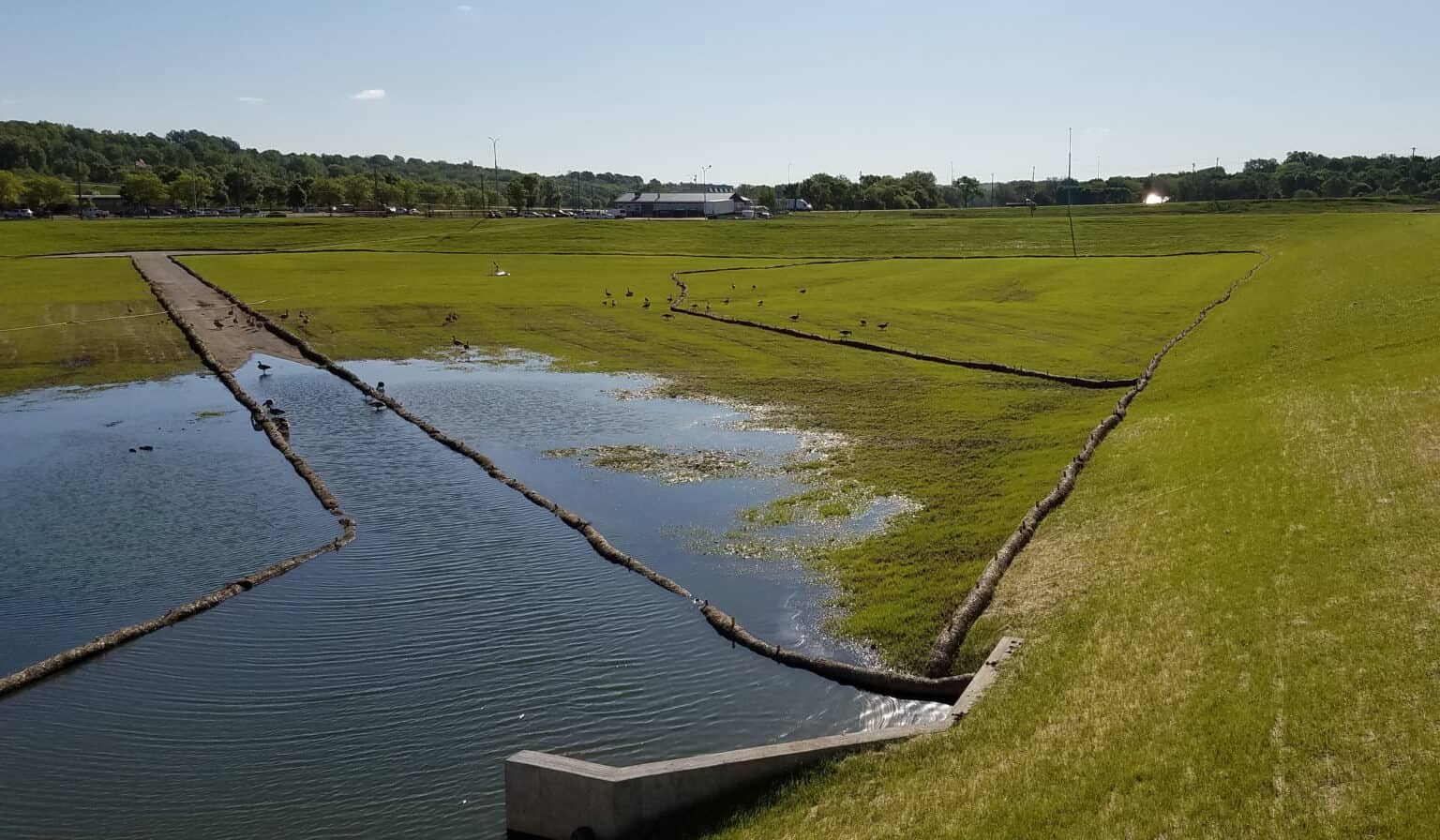
Municipal wastewater systems rarely receive flow at a steady, predictable rate. Daily usage patterns, wet weather events, inflow and infiltration, industrial discharges, and community growth can all create variations in both flow volume and pollutant loading. For wastewater treatment facilities and collection systems, those fluctuations can create operational challenges, strain downstream processes, and increase the risk of hydraulic overload. Wastewater equalization basins, often referred to as EQ basins, provide a practical way to manage these variations.
By temporarily storing wastewater during peak flow periods and releasing it at a more controlled rate, EQ basins help stabilize treatment operations, improve process performance, and provide communities with added flexibility as they plan for future growth.
What Is an Equalization Basin?
An equalization basin is a storage unit within a wastewater system that acts as a buffer between fluctuating incoming flows and downstream treatment processes. The EQ basin can be located within the collection system, at pump stations, or at the treatment plant. During peak flow conditions, such as heavy rainfall or high daily usage periods, wastewater can be diverted into the basin for temporary storage. As flows subside, the stored wastewater is returned to the system at a more consistent rate.
This function helps protect treatment facilities from sudden hydraulic surges and sharp changes in organic or nutrient loading. High-strength wastewater can be blended in the basin, helping reduce variations in suspended solids, biochemical oxygen demand, nutrients, and other constituents before treatment.
Why Equalization Matters
For many communities, wastewater equalization is not simply about adding storage. It is about improving the reliability, efficiency, and long-term performance of the entire wastewater system.
Equalization basins can help:
- Reduce peak hydraulic loading on downstream treatment units.
- Reduce backups and sanitary sewer overflows in upstream sewers and homes.
- Protect biological treatment processes from washout or sudden loading changes.
- Improve consistency in nutrient removal performance.
- Allow more precise chemical dosing.
- Reduce the need to size pumping or treatment equipment for short-duration peak flows.
- Provide added capacity during wet weather or high inflow and infiltration conditions.
- Support phased infrastructure improvements as communities grow.
Regulatory Considerations
Equalization basin design is shaped by both broadly referenced engineering standards and state-specific regulatory requirements.
A commonly referenced starting point is the Recommended Standards for Wastewater Facilities, often known as the Ten States Standards. These standards are widely used by state agencies as a baseline for the planning, design, review, and approval of public wastewater infrastructure. While not every state adopts the standards in the same way, they provide a consistent framework for evaluating treatment processes, hydraulic capacity, storage needs, pond and basin design, reliability, and protection of public health and receiving waters.
Because state-specific requirements can vary significantly by state, community, and facility type, successful EQ basin planning depends on early agency coordination, clear design documentation, and a strong technical basis for storage volume, basin type, liner system, odor control, and operational strategy.
Sioux Falls: Managing Peak Flows with an Earthen Equalization Basin
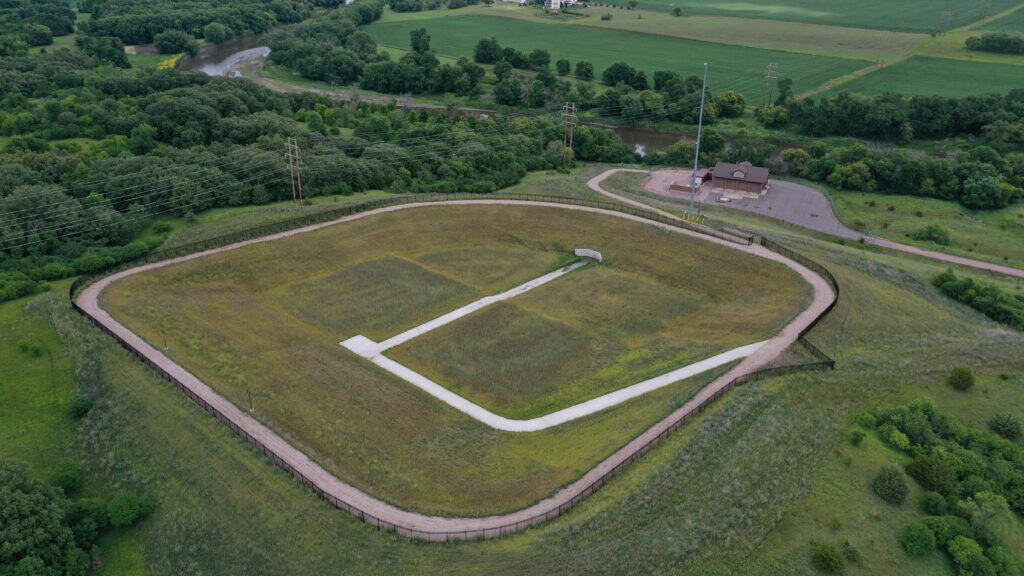
Pump Station 240 in southeast Sioux Falls experienced capacity constraints due to growth and significant inflow and infiltration, creating peak wet weather flows that stressed both the station and downstream treatment. HR Green evaluated alternatives including pump upgrades and concrete and earthen equalization basins, ultimately selecting an earthen EQ basin on City-owned property. Designed to treatment pond standards with a low-permeability clay liner, the basin uses site grading to optimize layout and maintain access. By diverting and storing peak flows, it reduces pump station demand, allowing smaller pump sizing, lowering energy use, and improving overall system performance.
Design Criteria and Basin Types
Equalization basin design begins with defining its role in the wastewater system. An EQ basin diverts peak flows and returns them after conditions subside, making them well suited for wet weather management while allowing normal dry-weather operation.
Storage volume is typically determined through flow monitoring, historical data, inflow and infiltration analysis, and system modeling. Design considerations include average and peak flows, peaking factors, downstream capacity, pump station and force main limitations, and future growth.
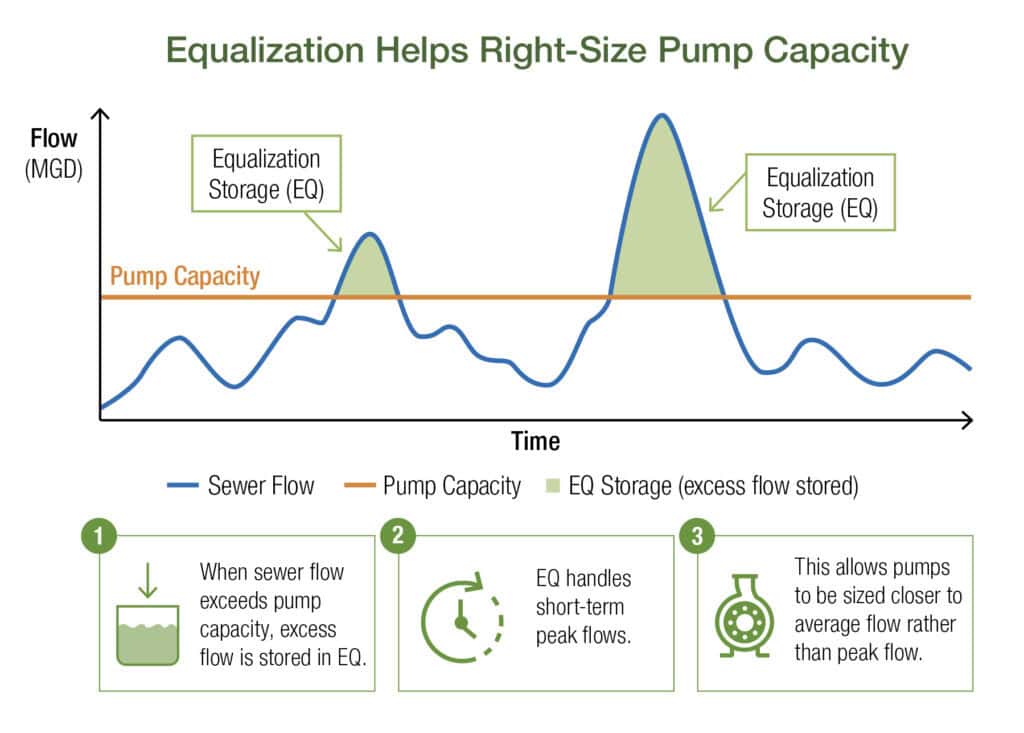
Hydraulic design is critical, particularly when tied to pump stations and force mains. The basin must divert peak flows without causing surcharging or overflows. Inlet structures, controls, and return rates must align with system operations to avoid overloading downstream treatment after events. Equalization can also reduce pump sizing by storing short-duration peaks.
Equalization basins can be constructed in several forms, with the right approach depending on available land, storage needs, soil conditions, budget, regulatory requirements, and long-term maintenance goals.
Earthen equalization basins are commonly used for large-volume municipal applications where land is available. These basins can provide significant storage capacity at a lower capital cost than more structural alternatives. However, they require careful attention to lining, groundwater protection, erosion control, odor management, and long-term maintenance.
Earthen basins may use a compacted clay liner, bentonite, synthetic liner, or another approved sealing method. Design considerations can include removing porous sand or gravel pockets near the finished basin floor, placing clay in multiple compacted lifts, protecting the liner, and meeting required percolation limits.
Concrete equalization basins provide a durable, long-term option for municipalities or industrial facilities with limited space or a need for a permanent structural solution. Concrete can offer strength and longevity, but it typically comes with higher construction costs, longer construction schedules, and greater complexity.
Steel equalization tanks can offer flexibility and faster installation, particularly for smaller facilities, industrial applications, or sites with space constraints. Welded or bolted steel tanks may reduce construction time, but corrosion protection and coating systems are critical in wastewater environments.
Some projects may use a hybrid approach. The Indianola wastewater treatment facility referenced below uses a concrete tank below grade and a glass-lined bolted steel tank above grade, resulting in both concrete construction and above grade structure cost savings.
The Role of Modeling
Sanitary sewer modeling is an important tool for evaluating equalization needs and optimizing system improvements. Modeling can help communities understand existing peak flow conditions, assess inflow and infiltration impacts, compare alternatives, and determine whether storage can reduce the need for larger pumps, force mains, or downstream treatment capacity.
In some cases, modeling may show that a strategically located EQ basin can reduce required pump capacity by storing short-duration wet weather peaks rather than forcing the pump station and treatment plant to handle those flows immediately. This can produce both capital and operational savings.
Cleaning and Maintenance
Equalization basins require ongoing maintenance to preserve storage capacity and prevent operational issues. Solids, grit, sand, and scum can accumulate over time, reducing available volume and contributing to odors or septic conditions.
Key maintenance considerations include routine inspections, sludge and sediment removal, mixer and aeration system maintenance, odor management, and periodic evaluation of liner or structural integrity. Depending on the basin type, accumulated material may be removed using vacuum trucks, dredging equipment, or washdown systems in EQ tanks with a concrete floor.
In a treatment plant application, active mixing and aeration are especially important for EQ basins that are used for daily peak management. Without adequate mixing, solids may settle, wastewater may become septic, and odors may become more difficult to manage. Preventive maintenance helps the basin continue to function as intended and protects downstream treatment equipment from unnecessary strain.
Indianola: Advancing Treatment Flexibility with a Multi-Mode EQ Tank
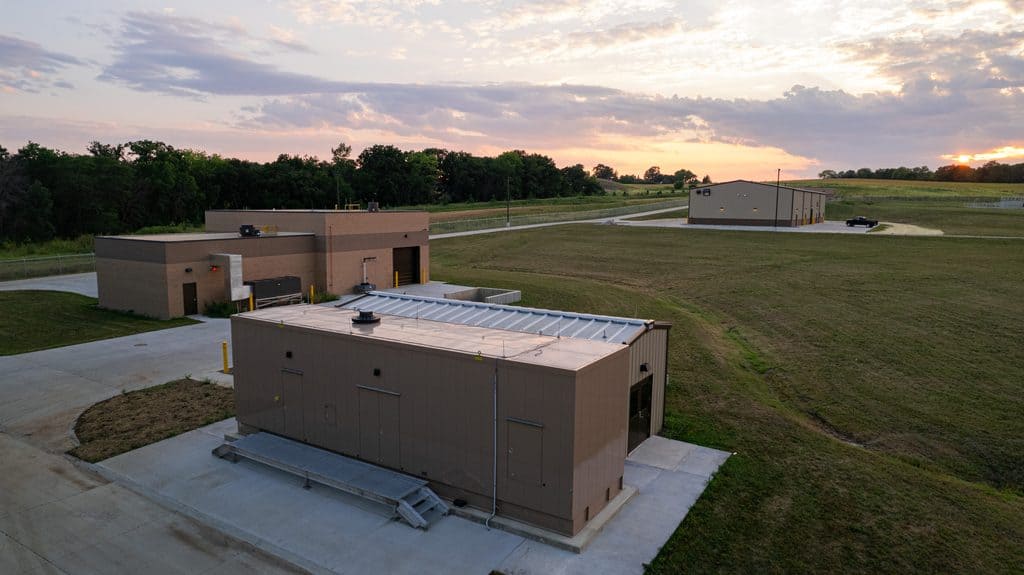
The City of Indianola, Iowa, replaced an aging wastewater facility that could not meet updated nutrient requirements with a new $45.6 million Water Resource Recovery Facility designed by HR Green. The city previously struggled with operating a traditional store and treat EQ basin and had an interest in a smaller, more flexible EQ tank. HR Green worked with the Iowa DNR to develop an innovative solution, allowing the secondary treatment system to be efficiently sized while maintaining water quality requirements. The 2.0 million gallon (MG) EQ tank provides flexibility with three main operation modes. First, normal peaks throughout the day or smaller rain events. Operators choose a set point, and any excess flow is diverted to the EQ tank. Once the influent flow decreases, the attenuated flow is pumped back to the oxidation ditches and then secondary treatment. This allows for a consistent load on secondary treatment, providing optimal conditions for nutrient removal. The second operating mode allows operators to take solids filtrate from the rotary drum thickeners and route it to the EQ tank, thus preventing shock loading by slowly bleeding it back into the plant. Finally, the large, infrequent rain events. These bring high, dilute flows that are sent to the EQ basin where the heavier solids are able to settle out. Flow continues to peak flow treatment, where cloth filters separate out the remaining solids. The filtrate is sent to UV disinfection and blending with the plant effluent. The final effluent is then discharged to the river, with full permit compliance and secondary biology intact.
Planning for Long-Term Resilience
HR Green helps municipalities evaluate, design, and implement equalization strategies that align with both immediate operational needs and long-term infrastructure goals. From sanitary sewer modeling and alternatives analysis to regulatory coordination, basin design, pump station integration, and construction-phase support, our team brings the technical depth needed to develop solutions that are practical, maintainable, and built for the communities they serve.
Contact HR Green to evaluate how a wastewater equalization basin or broader flow management strategy can help your community improve treatment reliability and prepare for future growth.