

Elements of biosolids management include production, processing, storage, and disposal. Operational considerations and costs within these elements must be evaluated and understood. A biosolids management study should include a quantitative and qualitative analysis of these elements, resulting in a biosolids management plan to best meet a facility’s current and future needs.
For many wastewater treatment facilities, treatment residuals represent one of the largest annual expenses. Because biosolids (stabilized sludges) make up the majority of these residuals, understanding and optimizing biosolids management can significantly improve operational efficiency and long-term economics.
A well-developed biosolids plan looks at the full life cycle: production, processing, storage, and disposal. Each stage has operational considerations that must be evaluated carefully to support both current and future facility needs.
Understanding the Elements of Biosolids Management
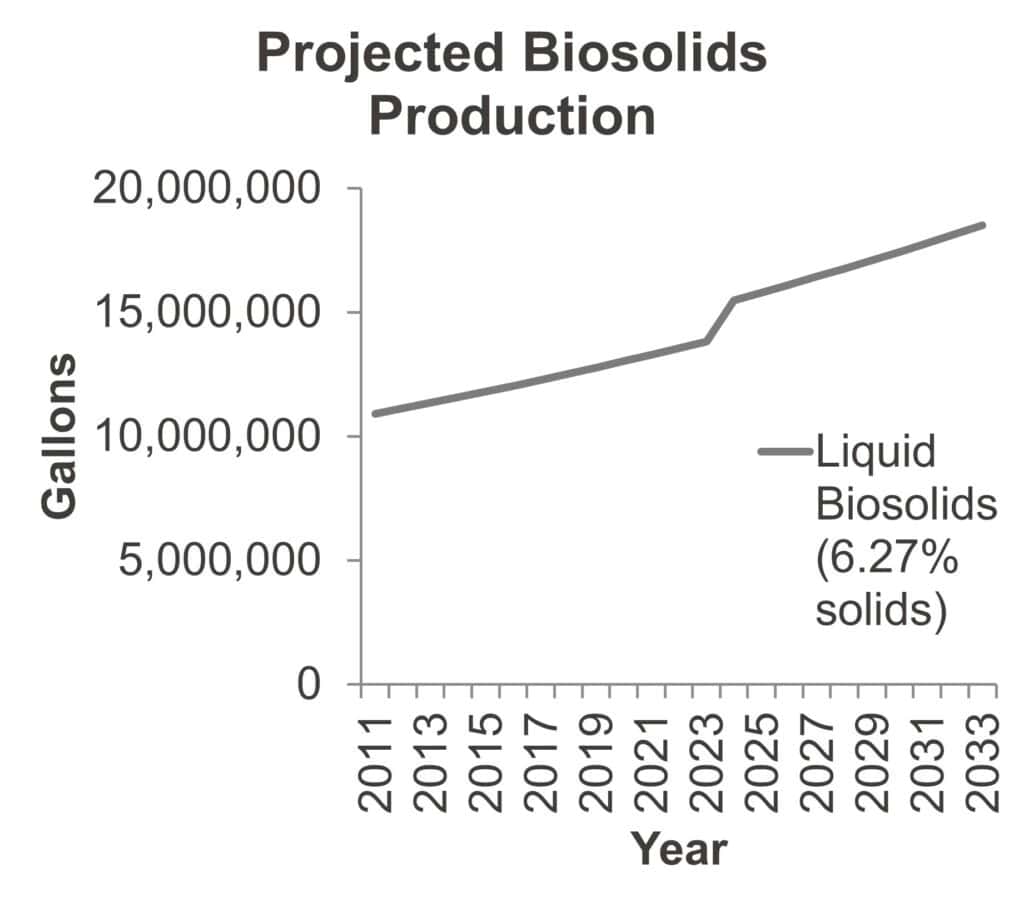
A biosolids production analysis helps forecast quantities for the design period. A production analysis should evaluate:
- Changes in sludge treatment efficiency
- Expected population growth and influent loading
- Increased sludge production due to nutrient removal processes
- Chemical sludge production
A thorough review of historical data, growth projections, and future treatment goals is essential. This analysis enables informed decisions on processing, storage, and disposal needs.
A facility may include some form of biosolids processing depending on storage needs, end product use, or both. Generally, processing takes the form of dewatering and/or drying to reduce the volume of biosolids and to create a semi-solid and solid end product.
Importance of Post-Stabilization Processing
Facilities may use different types of post-stabilization processing depending on storage requirements, end-use goals, or both. Dewatering and drying remain the most common tools for reducing volume and creating a manageable end product.
Biosolids total solids concentration is approximately one (1) percent (by weight) prior to any post-stabilization processing. Dewatering can typically increase the total solids concentration of biosolids to between 18% and 30% (by weight).
The dewatering process is enhanced by the use of polymers, which bind solid particles and release free water from the biosolids matrix. Drying can further increase the total solids concentration of biosolids to between 90% and 98%.
There are multiple process equipment/technology options for dewatering, including:
- Belt filter presses
- Rotary fan presses
- Screw presses
- Centrifuges
- Plate and frame presses
- Gravity bag systems
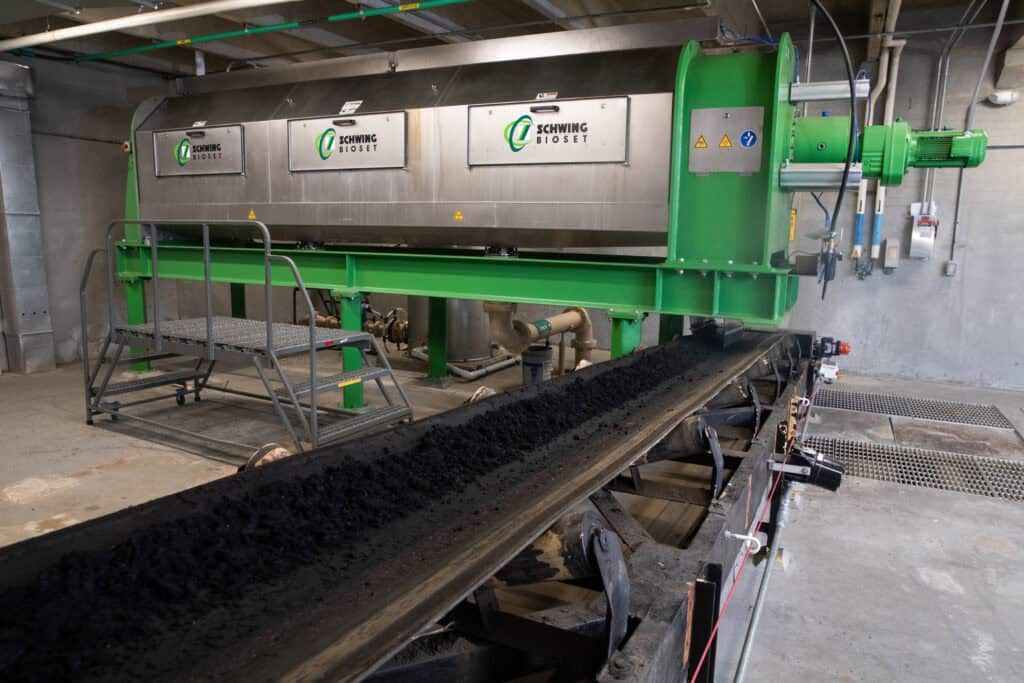
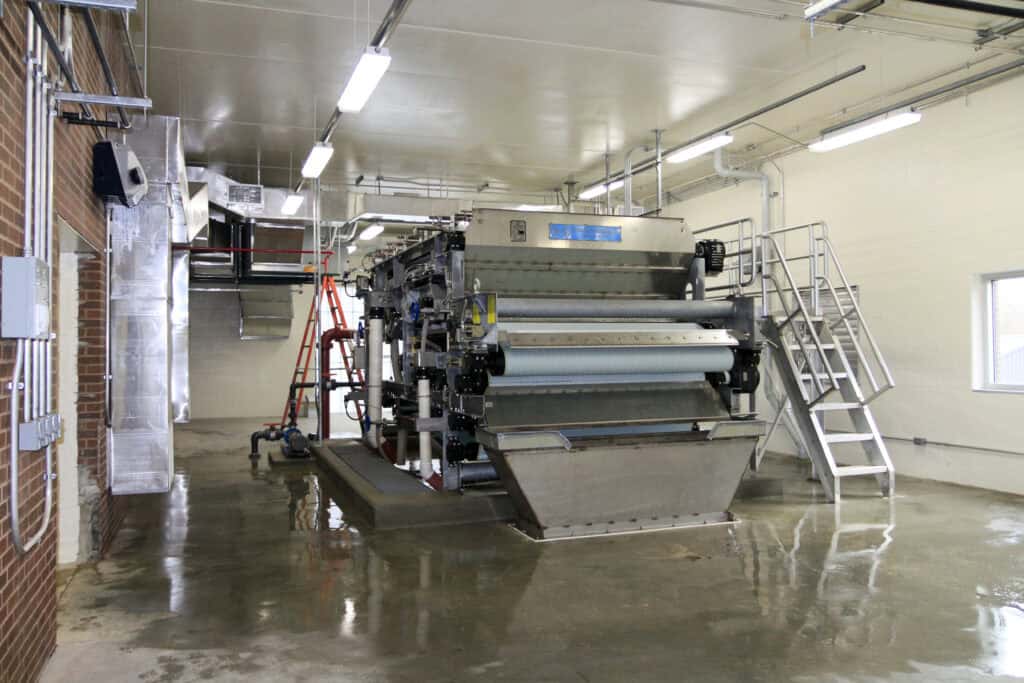
Drying must be preceded by dewatering in all scenarios. Additionally, drying produces a Class A biosolids product that has many benefits over a Class B biosolids product. Drying equipment/technology includes two general categories: Direct or Indirect. Each has widely varying configurations and layouts between manufacturers’ systems.
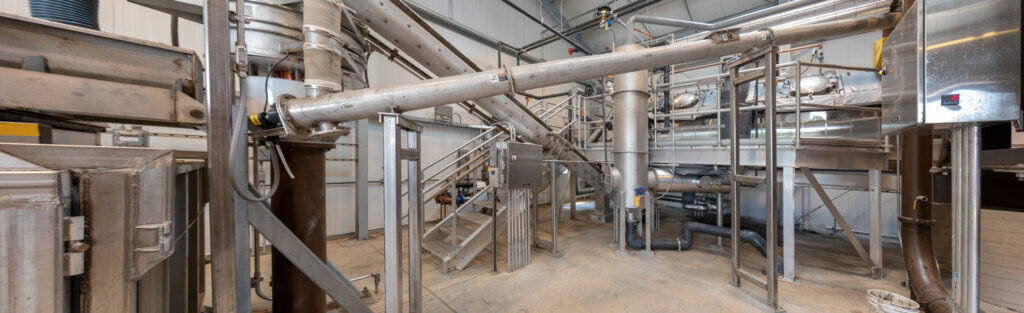
Along with equipment sizing, dewatering and drying alternative analysis should consider:
- Operations, maintenance, and replacement costs for each option
- Required ancillary systems and associated operations and maintenance (e.g., feed pump(s), wash water system, polymer system, etc.)
- Complexity of operations and maintenance
- Labor availability and potential for process automation
- Environment (indoor or outdoor installation, available equipment space, etc.)
- Redundancy needs
Choosing Biosolids Storage
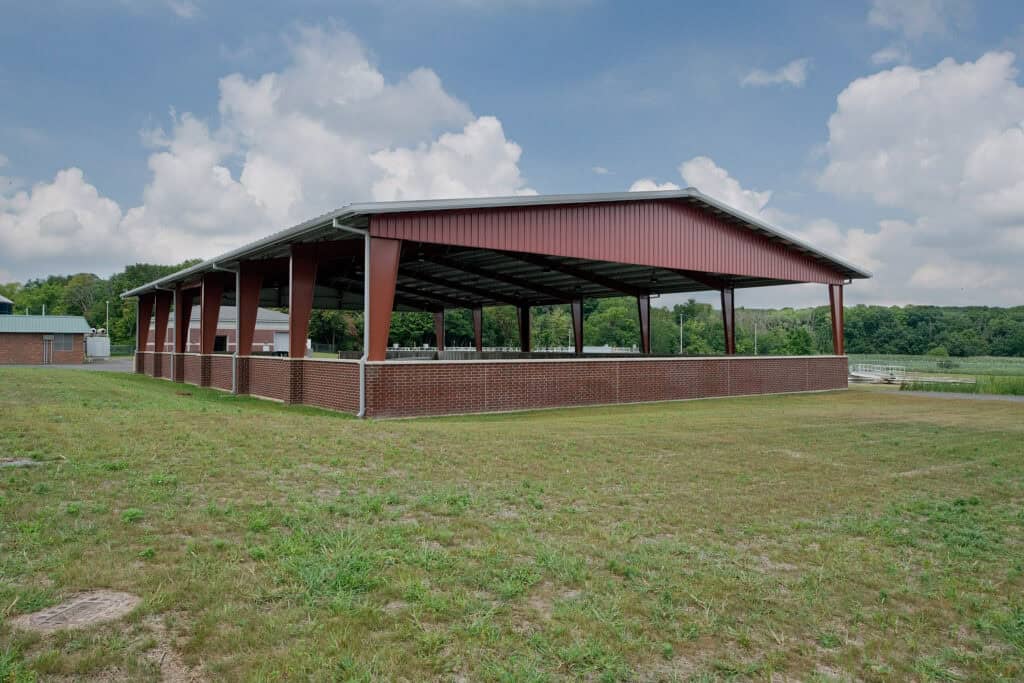
There are numerous options for biosolids storage; however, storage configuration and size are influenced by the following factors:
- Biosolids type (liquid, dewatered, dried)
- Disposal frequency/schedule
- Space availability
Storage capacity should include a contingency above the calculated biosolids production volume (e.g. extra 15-percent volume). This extra capacity will provide a safety factor in the event biosolids disposal is delayed due to unfavorable conditions, equipment breakdown, etc.
Storage facility design must also include considerations for the “protection” of the biosolids product. A dewatered and dried biosolids product should be protected from environmental elements (e.g., precipitation); otherwise, the effort and expense of dewatering and drying are wasted.
Storage facilities should be designed with adequate access and cleaning provisions to maintain efficient operations. For liquid biosolids, storage structures may also incorporate mixing mechanisms to facilitate effective removal and to maintain a homogeneous product for disposal, particularly after long storage durations.
Disposal of Biosolids
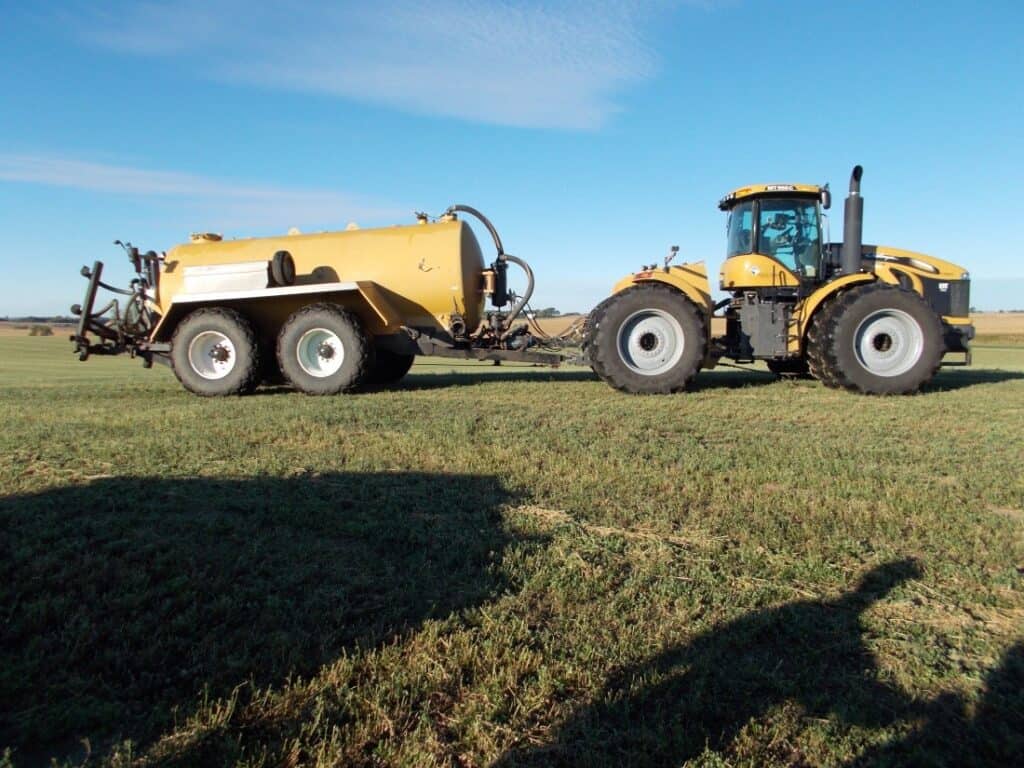
Final disposal or beneficial reuse is a critical part of any biosolids management strategy. Common approaches include:
- Landfilling
- Land application
- Use as a soil amendment
- Incineration
Where possible, beneficial reuse is preferred, as it supports sustainability goals and may create opportunities for cost recovery. Disposal decisions must also account for regulatory frameworks, product classification, and emerging contaminants such as PFAS compounds and pharmaceuticals, which may limit future reuse options.
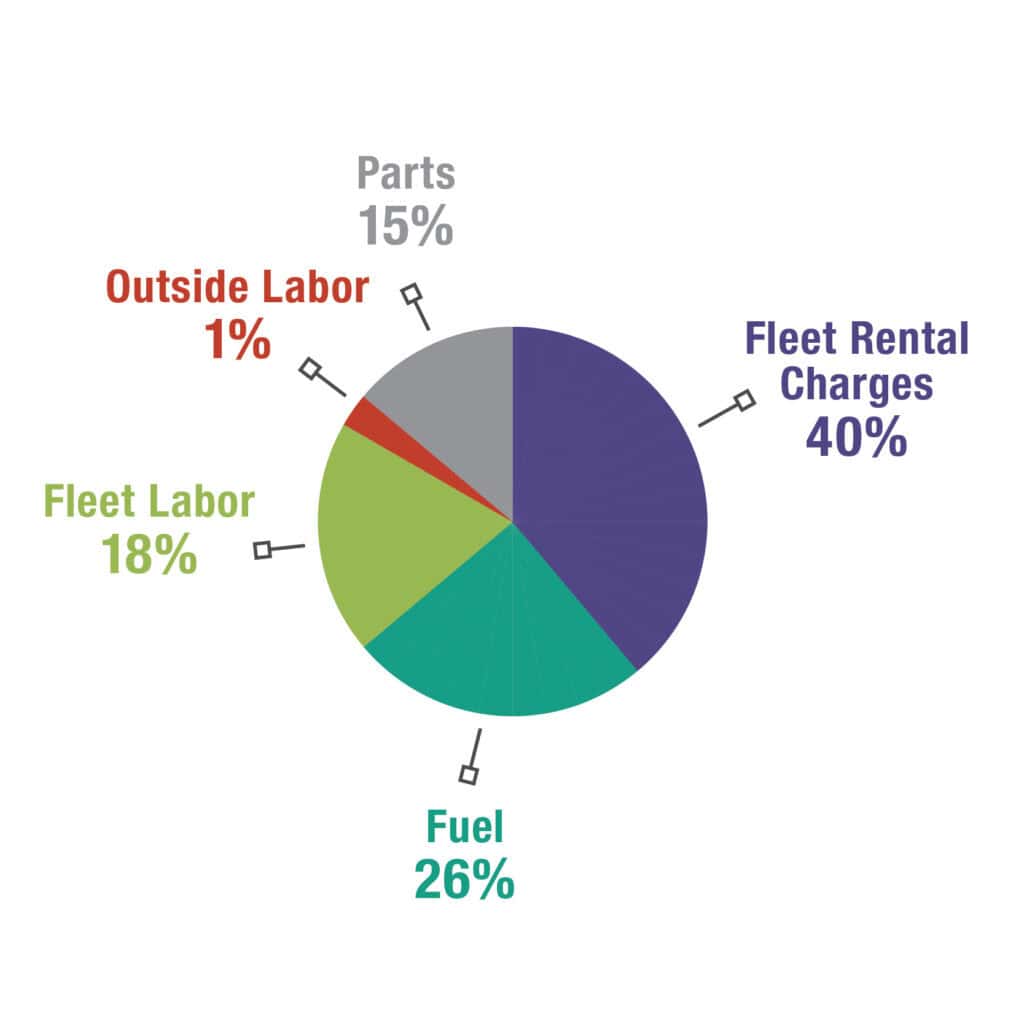
Labor and transportation are often the largest contributors to disposal cost. Many facilities partner with third-party contractors, which can be efficient but also creates dependencies that affect operations. When evaluating disposal strategies, consider:
- Labor needs and availability
- Equipment requirements
- Safety, liability, and operational risks
The Economics of Biosolids Management
Choosing the best path forward requires understanding not only capital costs but also long-term operations and maintenance impacts. Lower-cost solutions can appear attractive at first glance yet result in higher life-cycle costs. A full economic analysis helps utilities understand true long-term financial impacts.
Beyond cost, noneconomic factors also shape the right solution. These may include:
- Safety and risk
- Public perception
- Opportunities for beneficial reuse
- Operational flexibility and adaptability
Developing a ranking or scoring framework enables utilities to compare alternatives objectively and select options aligned with their goals.
A Comprehensive Approach to Biosolids Management
Effective biosolids planning blends technical rigor with practical, long-range thinking. The strongest strategies integrate economic analysis, environmental responsibility, operational resilience, and future regulatory adaptability
For many communities, partnering with knowledgeable advisors provides valuable support throughout this process. HR Green’s water and wastewater planning teams bring deep experience in helping utilities navigate biosolids challenges, balance competing priorities, and develop plans that support both current demands and long-term stewardship.
Whether your facility’s goal is to strengthen operational resilience, improve cost performance, or explore opportunities for beneficial reuse, a well-structured biosolids management strategy is an important step toward stronger, more sustainable utility operations.
Let’s build a more efficient, environmentally responsible future together. Connect with HR Green’s biosolids management team today to explore customized strategies for your facility.